Preventing strain at work:
Are Footrests Ergonomic?:
Preventing Strain at Work: Are Footrests Ergonomic?
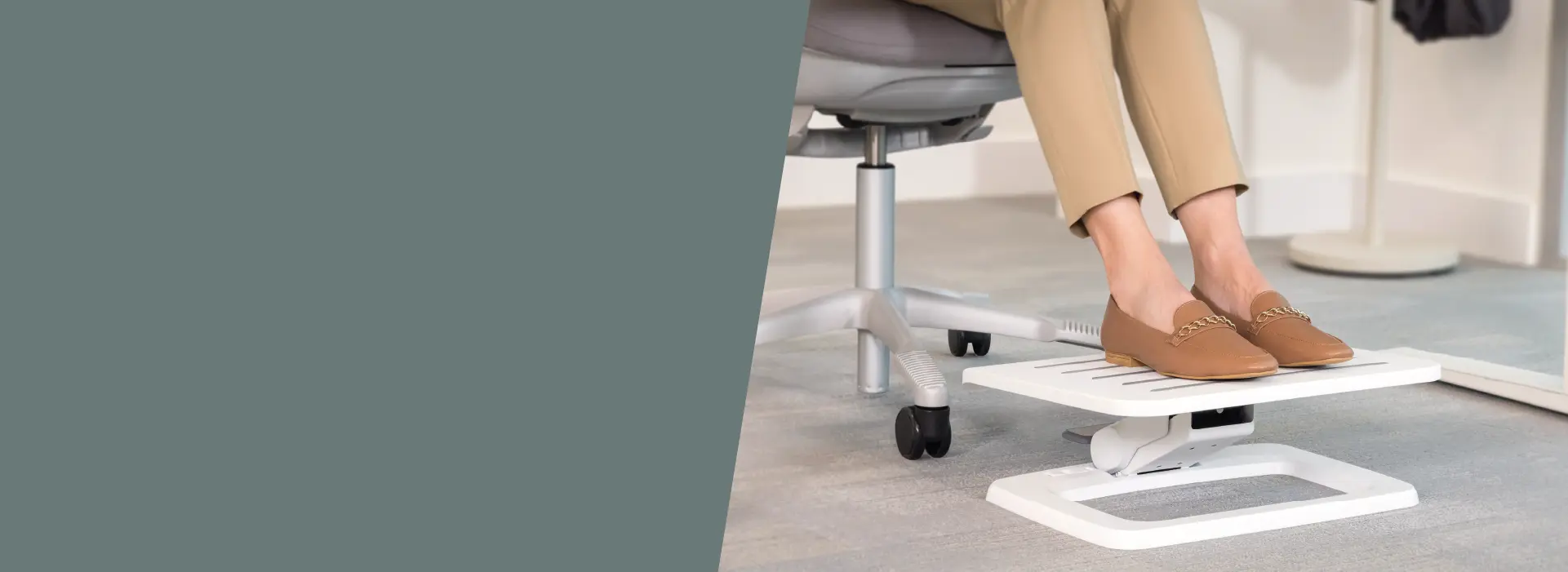
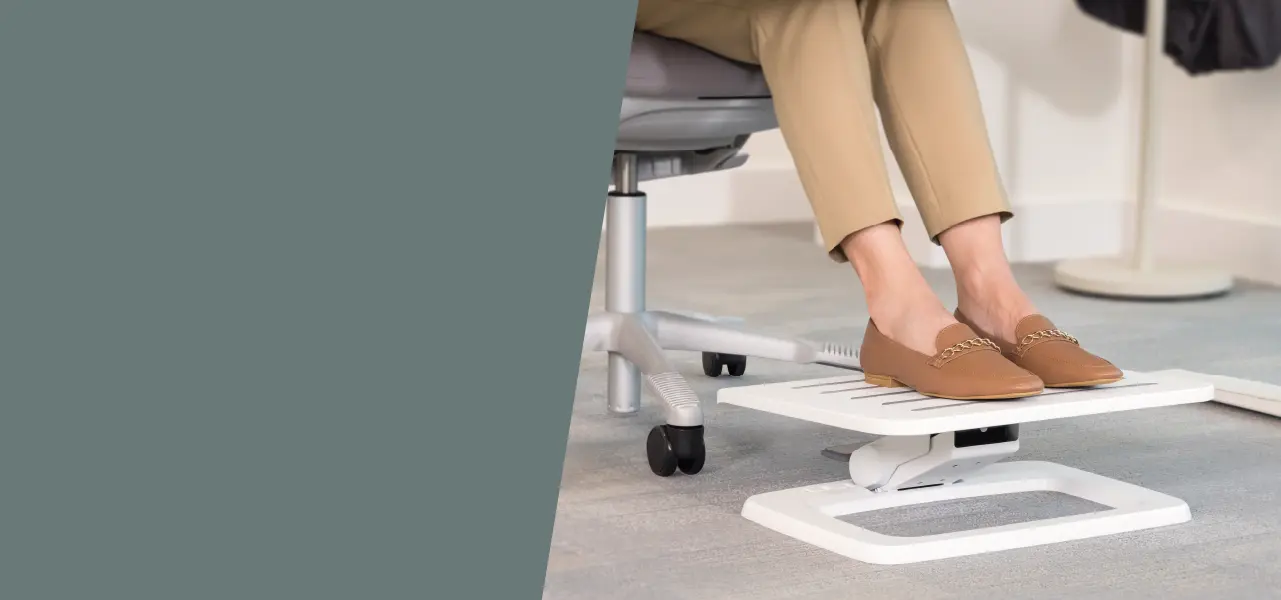
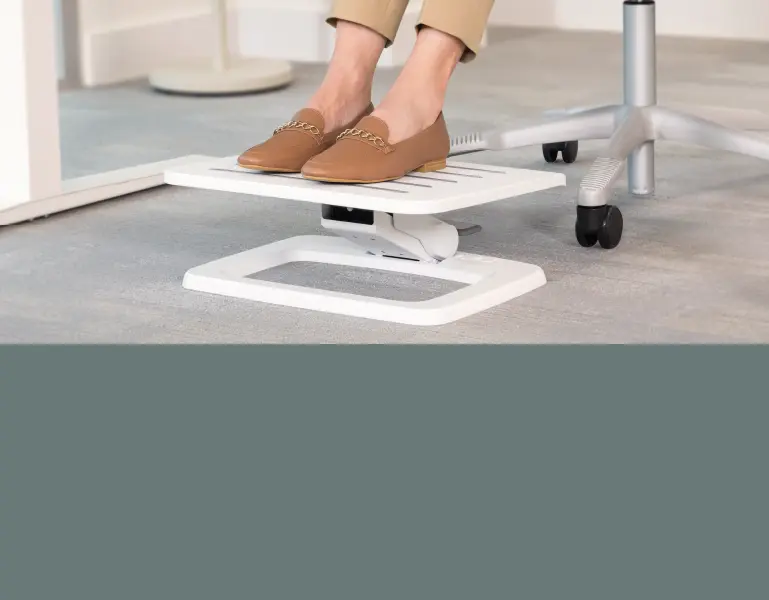
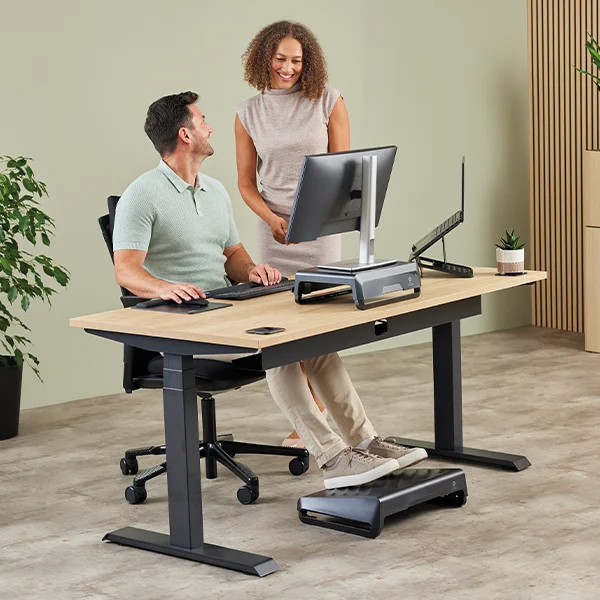
Many people look to the likes of high-tech chairs and often overlook one simple product that can transform your workplace ergonomics: a foot rest.
Foot rests are essential for your ergonomic setup, especially for employees who spend long hours at their desk. No matter the setting, whether it’s a corporate office or you are working from home, the right ergonomic foot rest can help improve posture, circulation, and comfort.
RECOMMENDED BY THE FELLOWES WORKLIFE COACH
There are benefits for the whole body too!
Foot rests typically support the lower body, but their impact goes beyond this. Using a foot rest can support better posture across the entire musculoskeletal system and can benefit multiple zones in the Fellowes Workspace Zone Approach ®
, here’s how:

A foot rest helps tilt your pelvis slightly forward, giving you a more natural curve of the spine which reduces strain. This is ideal for people who sit for long periods or experience lumbar pain.

When your lower body is supported, you’re less likely to slouch at your desk - this can improve your arm and wrist alignment.
A foot rest helps remove any desk hunching, which can strain the neck and shoulders. In combination with an adjustable chair and correctly positioned monitor, foot rests contribute to a more ergonomic sitting position.

A foot rest promotes movement and circulation in the lower body, helping mitigate the effects of long periods of sitting, such as poor circulation and muscle fatigue. Used alongside a height-adjustable desk and chair with an ergonomic back support, a foot rest contributes to a more active and healthier workstation setup
Who can benefit from a footrest?
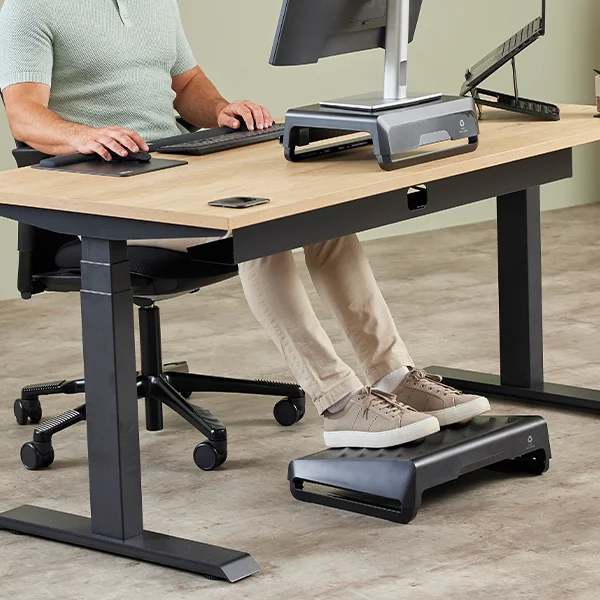
Office workers at
fixed-height desks
People working at non-adjustable desks may find their feet are unable to rest flat when they’re sat at the correct height for typing. An ergonomic adjustable foot rest ensures that no matter the height, you’ll have proper alignment.
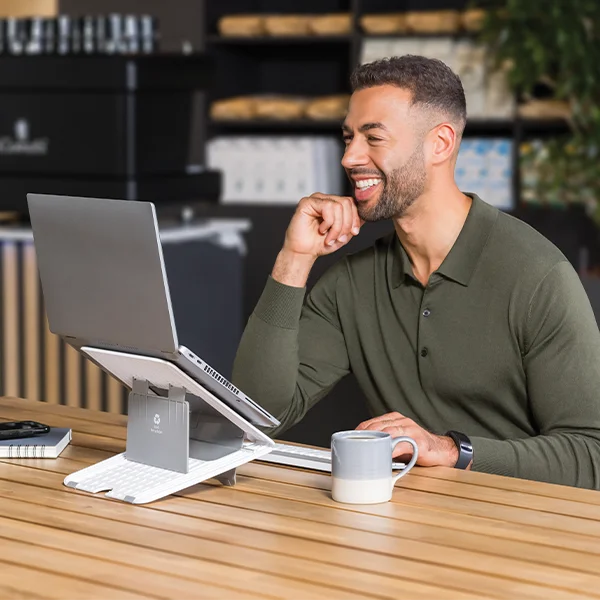
Remote workers at kitchen
tables or makeshift setups
Many home setups lack ergonomic features, so a foot rest can add instant lower-body support and makes even basic setups more posture-friendly.
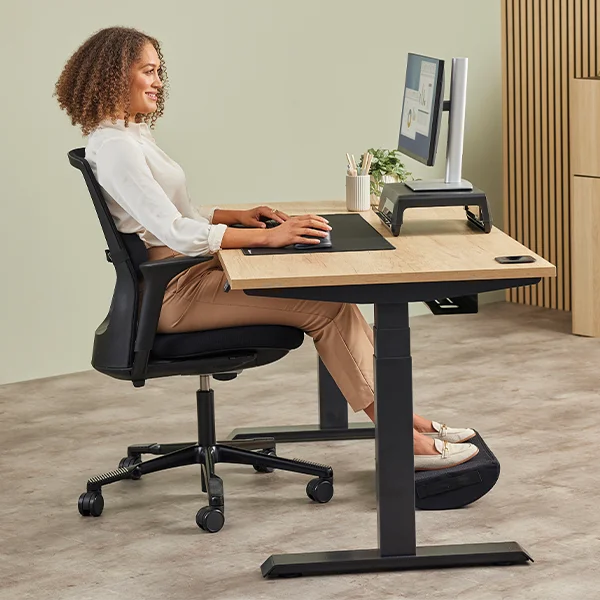
Those sitting for long
periods of time
Most foot rests have built-in rocking motion and massage textures which make it easy to add more movement to your day whilst seated.
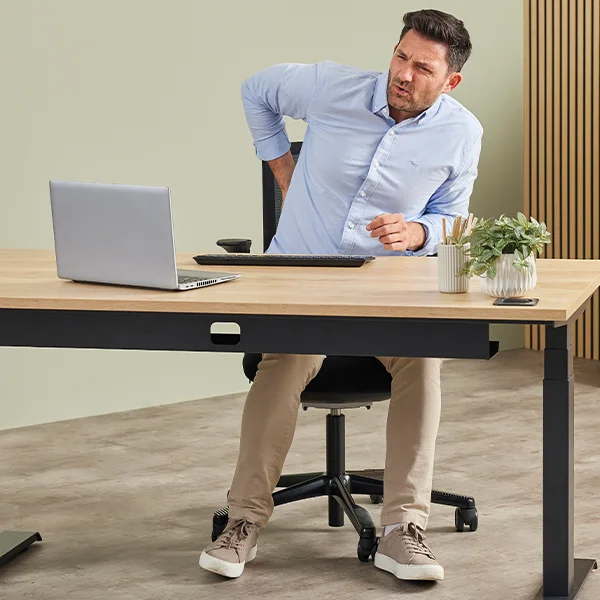
People with lower back
pain or leg fatigue
Foot rests can help ease pain caused by poor circulation, pressure on the thighs, or bad lumbar posture – all of which are common causes of back pain and leg strain.
Employers adhering to
DSE compliance
Workplaces in the UK have a commitment to their employees to make sure that Display Screen Equipment regulations are met. Providing foot rests underneath desks is a simple, yet effective, way to help with this.